In the fast-paced world of modern business, a reliable electrical system is essential for operations. From powering computers and lighting to running industrial machinery and climate control systems, commercial properties depend heavily on electricity to function smoothly. However, many older facilities continue to operate on outdated or inadequate electrical systems, putting productivity, safety, and efficiency at risk. Upgrading a commercial electrical system is more than a maintenance task—it is a strategic investment that enhances safety, improves energy efficiency, and supports long-term business growth. Understanding the benefits of a professional Jacksonville NC Electric upgrade can help property owners make informed decisions and ensure that their facilities are equipped to meet modern demands.
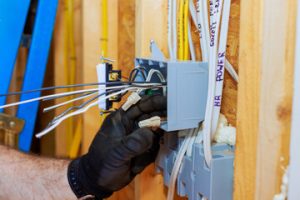
One of the most immediate benefits of upgrading a commercial electrical system is improved safety. Older wiring, overloaded circuits, and aging panels can create hazardous conditions that increase the risk of electrical fires, equipment damage, and even injury to employees. Professional electricians assess the entire electrical infrastructure to identify potential risks, including outdated materials, worn insulation, and inadequate grounding. They can then replace or upgrade wiring, install modern circuit breakers, and incorporate protective devices such as ground fault circuit interrupters (GFCIs) and arc fault circuit interrupters (AFCIs). These upgrades minimize the risk of short circuits, sparks, and other electrical hazards, providing a safer working environment for employees and reducing potential liability for property owners.
Beyond safety, electrical system upgrades significantly improve operational efficiency. Commercial facilities often rely on multiple high-demand systems running simultaneously, including lighting, HVAC, security, and specialized equipment. Older systems may struggle to supply consistent power, leading to flickering lights, tripped breakers, and fluctuating voltage that can harm sensitive devices. Upgraded electrical infrastructure ensures that circuits are properly balanced and equipped to handle current and future loads. By optimizing the flow of electricity, businesses experience fewer interruptions, smoother operations, and improved productivity. Efficient systems also reduce energy loss, which translates into lower utility costs over time—a critical consideration for commercial property management.
Energy efficiency is another compelling reason to invest in a commercial electrical upgrade. Modern electrical components, including LED lighting, high-efficiency motors, and smart building technologies, consume significantly less energy than older alternatives. Professional electricians can recommend and install systems that monitor and manage energy use, adjusting lighting, heating, and cooling according to occupancy or operational requirements. These upgrades not only reduce operating costs but also contribute to sustainability goals, making the business more environmentally responsible. In some cases, energy-efficient systems can also qualify for tax incentives or rebates, further offsetting the cost of installation.
Upgrading a commercial electrical system also provides the opportunity to enhance infrastructure for future growth. Businesses frequently expand their operations, add new equipment, or integrate advanced technologies. Older electrical systems may lack the capacity to support these changes, forcing property owners to implement costly and disruptive retrofits. By upgrading panels, wiring, and circuits, electricians create scalable infrastructure capable of supporting increased demand without compromising safety or efficiency. This forward-looking approach ensures that the facility remains operational and adaptable as business needs evolve.
Professional electricians approach commercial upgrades with a comprehensive plan that includes assessment, design, installation, and testing. During the assessment phase, they evaluate the current system, identify weaknesses, and calculate load requirements. The design phase incorporates modern codes, safety standards, and operational goals, ensuring that the new system meets the facility’s unique needs. Installation is performed with attention to detail, following industry best practices and safety regulations. Finally, testing and commissioning confirm that all components function as intended, providing property owners with confidence in the reliability and safety of the upgraded system.
There are several key components of a commercial electrical system upgrade:
- Panel and Circuit Upgrades – Replacing outdated panels and adding circuits to handle increased power demands safely.
- Modern Wiring and Conduit – Installing high-capacity wiring and proper conduit to reduce risk of overheating and energy loss.
- Protective Devices – Adding circuit breakers, surge protectors, GFCIs, and AFCIs to safeguard people and equipment.
- Energy-Efficient Components – Integrating LED lighting, energy-efficient motors, and smart control systems to reduce consumption.
- Backup Power Solutions – Installing generators or uninterruptible power supplies (UPS) to maintain critical operations during outages.
Downtime and operational disruptions are significant concerns for businesses, and electrical upgrades directly address these challenges. An outdated system may cause frequent power interruptions, equipment failures, or inconsistent energy delivery, all of which hinder productivity. Upgraded electrical systems distribute power more efficiently, reduce the likelihood of trips and outages, and support the consistent operation of sensitive equipment. In industrial settings, reliable power is essential for production lines, and in office environments, it ensures uninterrupted work for employees and continuous service for clients. By minimizing downtime, businesses protect revenue and maintain a professional, safe environment.
Another important benefit of electrical upgrades is improved monitoring and control. Modern commercial electrical systems often incorporate smart technologies that allow facility managers to track energy use, detect irregularities, and optimize performance. For example, automated lighting controls can adjust illumination based on occupancy, while smart meters provide real-time data on energy consumption and peak load usage. These insights allow businesses to make informed decisions about energy management, maintenance schedules, and operational planning, further enhancing efficiency and reducing costs.
Emergency preparedness is also enhanced through electrical system upgrades. Power outages, short circuits, or equipment failures can occur unexpectedly and disrupt operations. By upgrading electrical infrastructure, businesses can implement backup power solutions, surge protection, and redundant circuits that reduce the impact of unexpected events. Emergency systems are designed to maintain critical functions, such as security systems, refrigeration, or computer networks, until full power is restored. This level of preparedness not only protects business assets but also maintains operational continuity and ensures the safety of employees and clients.
Preventive maintenance is an additional benefit that comes with a modernized electrical system. Professional electricians often include ongoing inspections and maintenance programs as part of an upgrade plan. These programs help detect early signs of wear or malfunction, such as loose connections, degraded insulation, or circuit overloads. Timely intervention prevents small issues from developing into major problems, reducing repair costs and maintaining consistent system performance. Preventive care also ensures that energy-efficient components continue to operate at peak performance, maximizing both safety and cost savings.
Documentation is another critical aspect of a commercial electrical upgrade. Licensed electricians provide detailed records, including schematics, wiring diagrams, load calculations, and maintenance logs. Accurate documentation ensures that future troubleshooting, expansions, or upgrades can be performed safely and efficiently. It also supports compliance with local and national electrical codes, insurance requirements, and safety inspections. Well-documented systems simplify long-term facility management and contribute to a more organized, proactive approach to electrical infrastructure.
The decision to upgrade a commercial electrical system delivers tangible benefits that extend beyond safety and efficiency. Some of the key advantages include:
- Enhanced Safety – Reduces risk of fire, shocks, and electrical hazards for employees and clients.
- Energy Efficiency – Modern components and smart controls lower energy consumption and costs.
- Operational Reliability – Minimizes downtime and ensures consistent power delivery to critical systems.
- Future-Proofing – Supports facility expansions, new equipment, and technological upgrades.
- Emergency Preparedness – Backup systems and protective devices maintain operations during outages.
- Preventive Maintenance and Documentation – Ensures long-term performance, safety, and compliance.
Upgrading a commercial electrical system is an investment in the long-term stability, safety, and efficiency of a facility. Licensed electricians bring the expertise needed to assess existing infrastructure, design tailored solutions, implement upgrades, and provide ongoing support. From replacing outdated panels and wiring to integrating energy-efficient technologies and backup power systems, professional electrical upgrades address both current operational needs and future growth. By prioritizing safety, reliability, and efficiency, property owners ensure that their commercial facilities can meet the demands of modern business operations while minimizing risks and costs.
Ultimately, professional electrical upgrades are not just a technical improvement—they are a strategic decision that enhances the overall value and functionality of a property. Businesses that invest in modern, efficient, and safe electrical systems experience reduced energy costs, fewer disruptions, improved safety for employees and customers, and a foundation that supports future innovation. Whether for an office building, retail space, or industrial facility, upgrading the commercial electrical system is a vital step in creating a resilient, high-performing environment that meets today’s demands and tomorrow’s growth.